

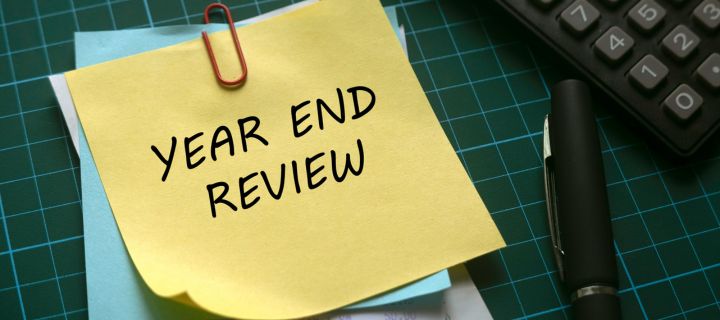
As we move towards the tax year-end and the Spring Budget, this is the time to ask if you’re catching up financially or acting deliberately. By planning ahead in advance, you can make your money work harder and maximise any available allowances. We look at the benefits of taking time to pause, so you can make purposeful decisions instead of acting reactively.
Think ahead with your tax year-end planning
Firstly, it’s worth noting that tax allowances are tools and not objectives. So, instead of focusing on the ‘how’, think about the ‘why’ when it comes to your tax planning. Take a moment to pause and consider your financial goals. What do you need your money for in both the short and long term? Do you have any large expenses coming up this year?
By establishing some tangible objectives, you can make some practical decisions about your finances. This will also help you to compare different savings products and investment strategies, so you can determine the right approach for your goals.
Depending on your age and how close you are to retirement, there might be different strategies to optimise your wealth. As an example, investing more into pension savings while you’re middle-aged should help to maximise the value of your future pension.
The closer you are to retirement, the more important risk management becomes. Although many pensions automatically manage the level of risk as you get closer to retirement, it’s important to check your pension. There may be options to switch to lower-risk investments – please ask our financial planners for advice before changing a pension scheme.
If you’re a business owner, look at ways to manage your cash reserves so you can take advantage of interest rates. As well as factoring in available tax allowances, there might also be ways for you to minimise income tax when you’re extracting profits. Check your gains and whether you can take advantage of the tax-free capital gains tax allowance. For more guidance, see our Investment and tax planning for businesses page.
What are the tax-free capital gain tax (CGT) allowances?
The UK tax year is 6 April to 5 April. Check the amount of income you’ve received over this period, along with any gains, before tax allowances are reset for the next financial year. By not taking advantage of unused allowances and not utilising capital gains tax (CGT), you could face a higher tax burden.
Below is a simple guide to the CGT allowance and what’s applicable:
- The current tax-free CGT allowance is £3,000. Any gains above this amount would be taxed at either 18% (basic rate taxpayers) or 24% (higher rate taxpayers).
- Plan your disposals to use this allowance – as an example, if you have gains from a share portfolio, you could consider realising up to £3,000 before 5 April so they fall within the tax‑free limit. This helps to reduce a single, larger taxable gain later on.
- You might be able to transfer assets to a spouse or partner if they’ve not used their allowance. This could increase the CGT allowance to £6,000 and is technically considered as a disposal – speak to our financial planners for advice.
- You’re only taxed on the gains you’ve made and not on the total amount of money received – for example, a property sale.
- Individual savings accounts (ISAs) are not included within CGT. So, make the most of the ISA allowance. The current allowance is £20,000 across all types of ISA. From 2027, the Cash ISA allowance reduces to £12,000 if you’re under 65.
Taking a proactive approach to year-end tax planning will ensure you have a clear picture of your finances before the start of the next financial year. By acting decisively before year-end, you can align your tax planning to your goals and manage your money more efficiently. You can also adjust your savings and investment strategy well ahead of any Budget changes.
Chartered Financial Planner, Nottingham
Financial procrastination or poor, last-minute planning could lead to missed opportunities and lost investment growth. If you wait until the tax year-end to review your financial planning, you’re at greater risk of acting reactively and making rushed decisions.
By planning ahead, you can make the most of the available allowances and get the most out of your money. A deliberate approach enables you to make informed decisions and act with purpose.
At Balance: Wealth Planning, our goals-based, fixed-fee financial planning gives you full transparency over our support. Our financial planners will explain all available tax allowances and opportunities to optimise your savings and investment strategy.
Book your year-end review – get in touch with our Chartered Financial Planners.
Sources:
https://www.aviva.co.uk/retirement/pension-basics/guide-to-pension-saving
https://www.rhodeswealthmanagement.co.uk/article/detail/2026/february/uk-tax-year-end.html
https://techzone.aberdeenadviser.com/public/personal-taxation/maximising-cgt-allowance-TYE2025
https://www.gov.uk/capital-gains-tax/allowances
https://www.fidelity.co.uk/capital-gains-tax/


